
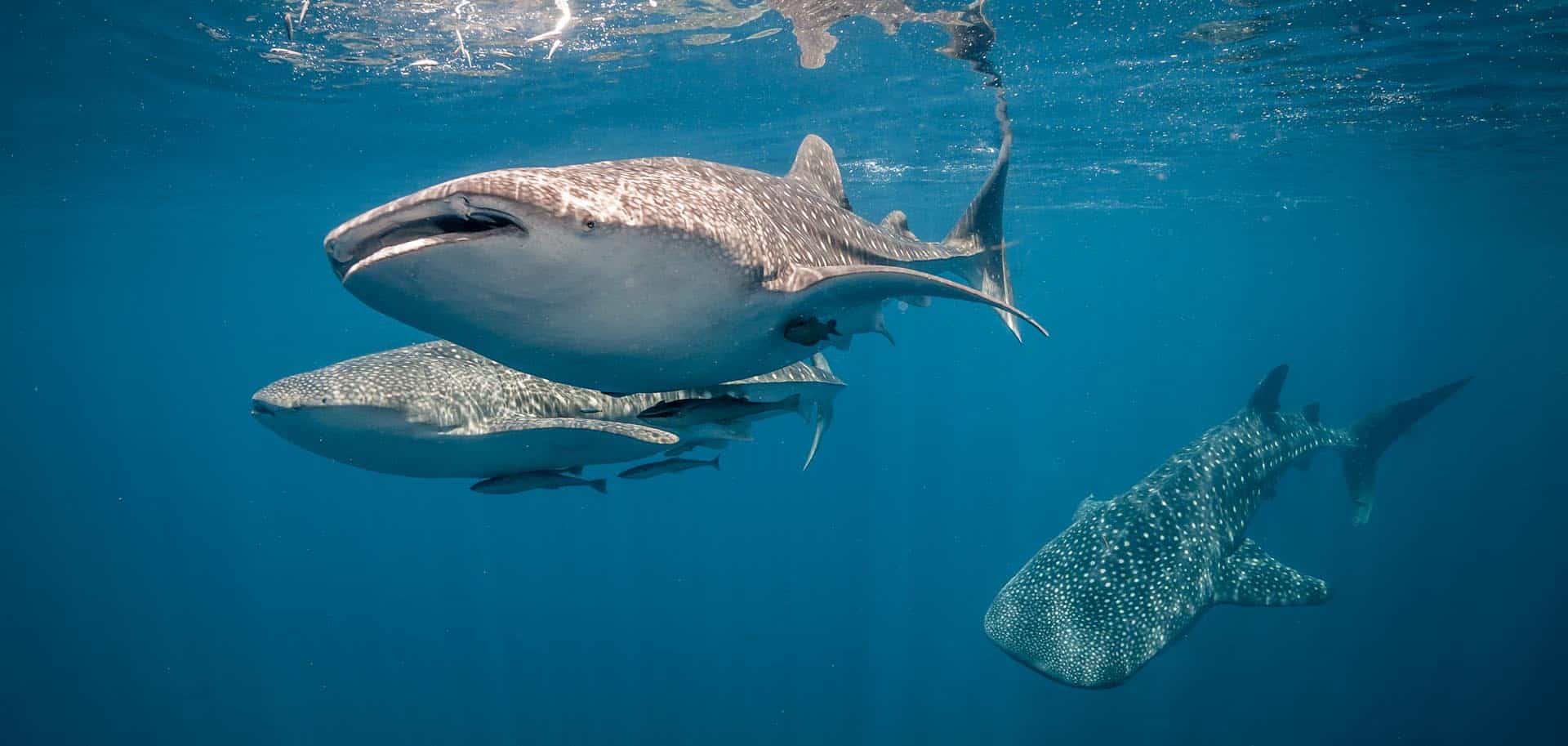
Photography swimming with whale sharks in Indonesia sounds cinematic. And it is. But before you imagine slow-motion sun rays and perfectly composed silhouettes, let’s talk honestly—this experience can either become the strongest visual chapter of your life… or just another underwater memory card full of “almost” shots.
If you want the real thing—the quiet sunrise, the genuine interaction, the angle that makes editors pause—then don’t scroll past this. Secure your Sumbawa whale shark tour through WhatsApp at +62 851 3366 6670. Prime mornings disappear quickly, and once the weather shifts, it shifts. No dramatic warning.
Here’s what most travelers don’t realize: photography swimming with whale sharks in Indonesia is deeply dependent on timing, local coordination, and restraint. Yes, restraint. The ocean doesn’t perform on command. But when you’re positioned correctly, when you move deliberately, when you wait instead of chase—magic happens. And Sumbawa? It’s quietly becoming the place where that magic still feels real.
Why Sumbawa Feels Different (And Why That Matters)
You’ve probably seen images from Philippines or Mexico—crowded waters, dozens of fins splashing above one animal. Spectacular, but busy. Sumbawa operates on a slower rhythm.
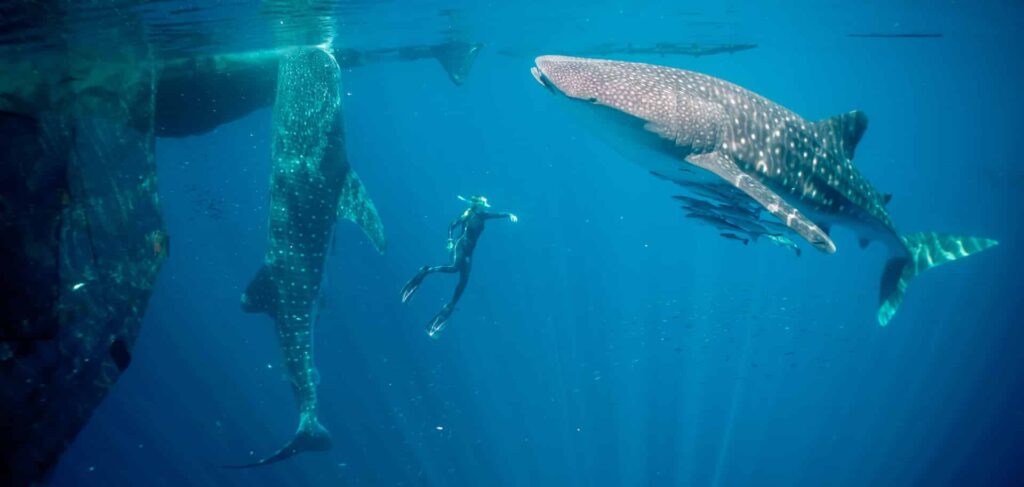
The whale sharks gather near traditional fishing platforms called bagan. Fishermen lift their nets at dawn, attracting small baitfish. The whale sharks follow naturally. No staged feedings. No whistles. Just habit and instinct.
And that subtle difference changes everything.
During whale shark swimming Sumbawa sessions, you slip into the water while the sky is still undecided between blue and gold. The surface feels cool against your face. There’s a faint scent of salt and diesel from the boat. Someone adjusts their mask beside you. Silence.
Then a shape appears below.
Not dramatic at first. Just movement. Then size registers. Massive. Calm. Unhurried.
That first encounter often feels slower than real time. Almost suspended.
The Technical Reality of Photography Swimming with Whale Sharks in Indonesia
Let’s get practical without sounding like a manual.
Wide-angle lenses are your friend. A full-frame 16–35mm (or equivalent) inside a dome port gives you enough coverage when the animal swims closer than expected—which it sometimes does. Shutter speed around 1/250 sec helps freeze motion without sacrificing ambient light. ISO? It depends on the morning mood.
But here’s the nuance people rarely mention: depth perception underwater is deceptive. Whale sharks seem farther than they are. Or closer. Your framing instincts on land won’t fully translate.
Photography swimming with whale sharks in Indonesia demands patience more than reflexes. The sharks circle slowly. Often repeatedly. If you observe instead of chase, you’ll notice patterns. A gentle turn near the platform. A slight tilt toward the surface. That’s your moment.
And sometimes you miss it.
That’s okay.
A Morning I Almost Gave Up
There was one dawn when visibility wasn’t ideal—maybe 10 meters. Slight plankton haze. Not postcard-clear.
Part of me hesitated. Was it worth getting in?
Then a juvenile whale shark—maybe six meters long—rose vertically near the bagan, mouth open, filtering tiny fish. Sunlight pierced through the surface in uneven beams. Not dramatic shafts. Just soft lines.
I hovered above, adjusted buoyancy, waited for alignment.
Click.
One frame stood out later: the shark’s spotted back illuminated in fragments of light, almost like stained glass underwater. Not perfect. Slightly grainy. But alive.
That’s when I understood something about photography swimming with whale sharks in Indonesia: perfection is overrated. Atmosphere wins.
Ethics Before Ego
Whale sharks are classified as endangered by the International Union for Conservation of Nature. That label carries weight.
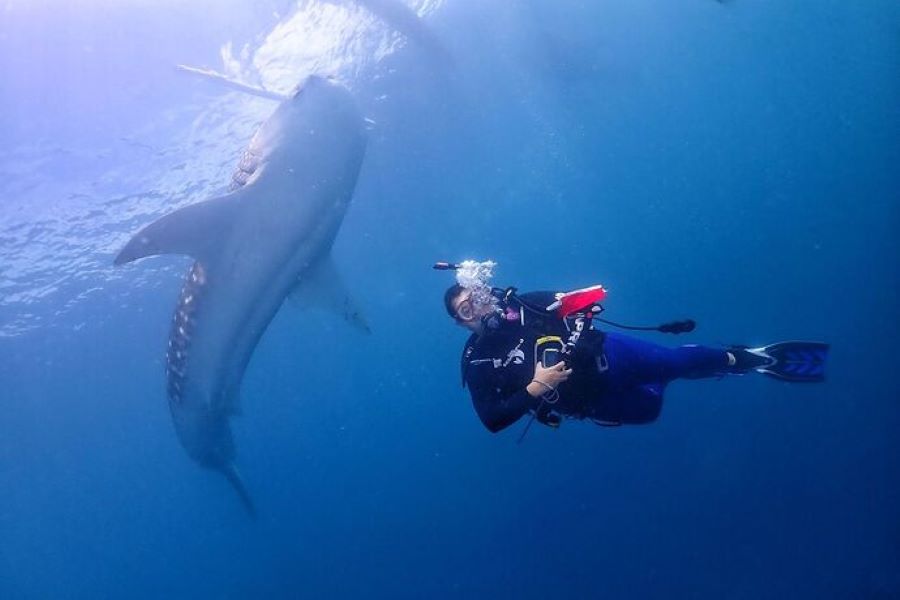
Responsible operators in Sumbawa maintain distance rules, limit swimmer numbers, and discourage flash use at close range. It’s not just regulation—it’s respect.
Interestingly, restraint often improves your imagery. When the animal doesn’t feel crowded, its movement remains fluid. Predictable in its unpredictability. You get cleaner compositions.
A true whale shark adventure isn’t about touching or chasing. It’s about proximity without pressure. Presence without interference.
And yes, sometimes that means letting a perfect shot drift away because pushing closer would cross a line.
The Subtle Art of Positioning
Position is everything.
Many beginners swim directly behind the shark. It feels intuitive. But the most compelling frames often come from diagonal or slightly upward angles—capturing both the animal and the surface light above.
Photography swimming with whale sharks in Indonesia becomes a dance of breath control. Inhale. Float upward. Exhale. Sink gently. Small adjustments.
Your body becomes part of the composition process.
And here’s a tiny observation that sounds inefficient but matters: watch the tail rhythm. The slight sway before a turn signals movement direction. Anticipate that, and you’ll be ready when the head shifts into cleaner light — a small detail often shared during a Sumbawa whale shark tour briefing.
Whale Shark Swimming Sumbawa: The Emotional Undercurrent
There’s something humbling about being eye-level with a creature larger than a bus yet moving with effortless grace.
During whale shark swimming Sumbawa mornings, time stretches. Conversations on the boat afterward feel softer. Slower.
One diver once whispered, “It feels like they’re older than the idea of urgency.”
That stayed with me.
Photography swimming with whale sharks in Indonesia isn’t just about building a portfolio. It’s about recalibrating perspective. You enter the water focused on settings. You leave thinking about scale, fragility, coexistence.
Strange shift, isn’t it?
Light Conditions You Can’t Fake
Early morning remains non-negotiable. Once the sun climbs too high, contrast flattens and shadows sharpen harshly.
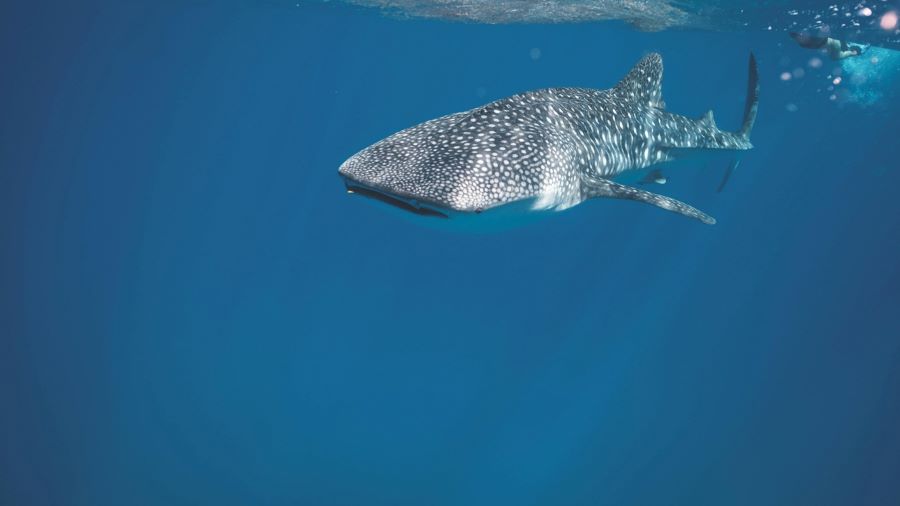
Cloud cover can work beautifully, diffusing light for softer tones. Slight surface ripples create textured reflections. Some days the water appears deep cobalt. Other days, almost jade.
These tonal variations shape the emotional temperature of your images.
And they can’t be replicated in post-production. Not convincingly.
Photography swimming with whale sharks in Indonesia thrives on authenticity—the kind that leaves small imperfections in the frame. A stray bubble. A faint particle trail. Real.
Building a Visual Story, Not a Trophy Shot
The temptation is to chase the single epic frame: shark fills frame, sunburst overhead, snorkeler silhouette for scale.
But stronger storytelling includes quieter scenes:
Fishermen balancing on wooden platforms at dawn.
Close-up patterns along the shark’s flank.
The surface reflection trembling in early light.
The pause before entry.
A whale shark adventure is layered. Narrative. Beginning in darkness, peaking in encounter, dissolving into reflection.
Photography swimming with whale sharks in Indonesia becomes more powerful when sequenced, not isolated.
Why Now Is the Right Time
Sumbawa remains relatively underexposed compared to more commercialized destinations. That balance won’t last forever. Word spreads. Flights increase. Boats multiply.
Right now, encounters still feel intimate.
If you’ve been considering it, this is the nudge. Join a guided whale shark adventure and secure your photography swimming with whale sharks in Indonesia experience by clicking WhatsApp at +62 851 3366 6670.
You can keep researching. Comparing. Waiting.
Or you can imagine the weightless silence of dawn, the first shadow below you, the quiet click of your shutter underwater.
And decide to be there when it happens.