
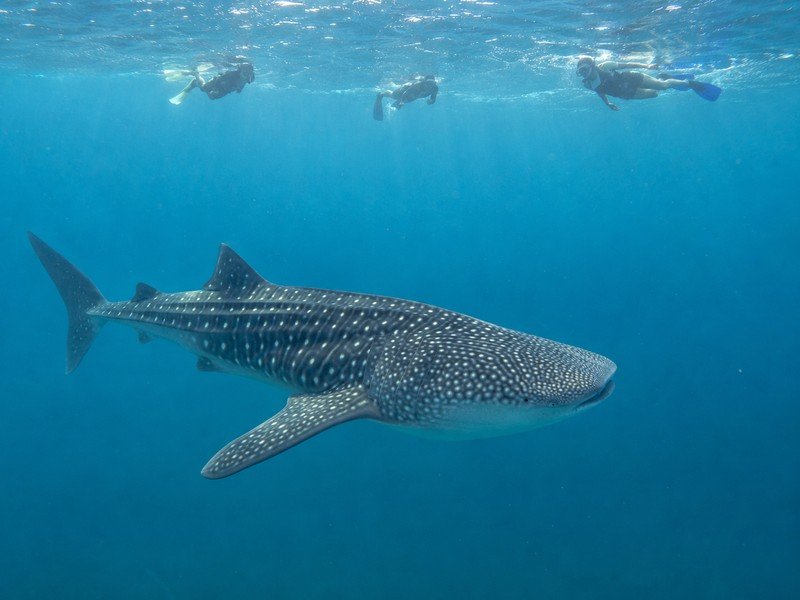
We’d be cautious about any trip that puts “conservation” in its name without explaining what happens on the water. If you’re researching whale shark expedition conservation in Saleh Bay, that’s a fair place to start. You want an extraordinary wildlife encounter, and you’d probably like your visit to do some good.
The honest answer? Respectful tourism can help reduce disturbance and support local livelihoods, but buying a boat ticket doesn’t automatically fund research or protect a habitat. We’d separate those claims before making a booking.
You can still plan a thoughtful adventure. It starts with what you’re willing to do when a whale shark appears, including giving up a closer photograph.
What whale shark expedition conservation should mean
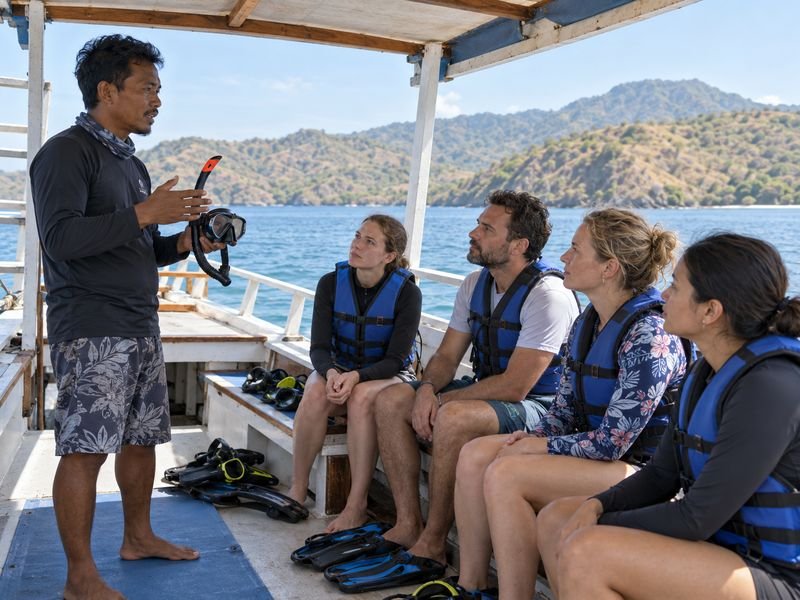
For us, the useful question is what changes because a tour takes conservation seriously. Does the briefing explain how swimmers should behave? Will the guide stop an interaction if people crowd the animal? Those decisions tell you more than a reassuring label.
Whale sharks are listed as Endangered on the IUCN Red List, so we’d treat an encounter as a privilege with limits, even when an animal appears calm beside the boat.
No shortcuts here.
We’d also distinguish a conservation whale shark adventure from a research expedition. A sightseeing trip may encourage responsible behavior without collecting scientific data. If an operator advertises research contributions, we’d want a named project and a clear explanation of how those contributions work.
Five choices that shape your visit
1. Give the animal an open route
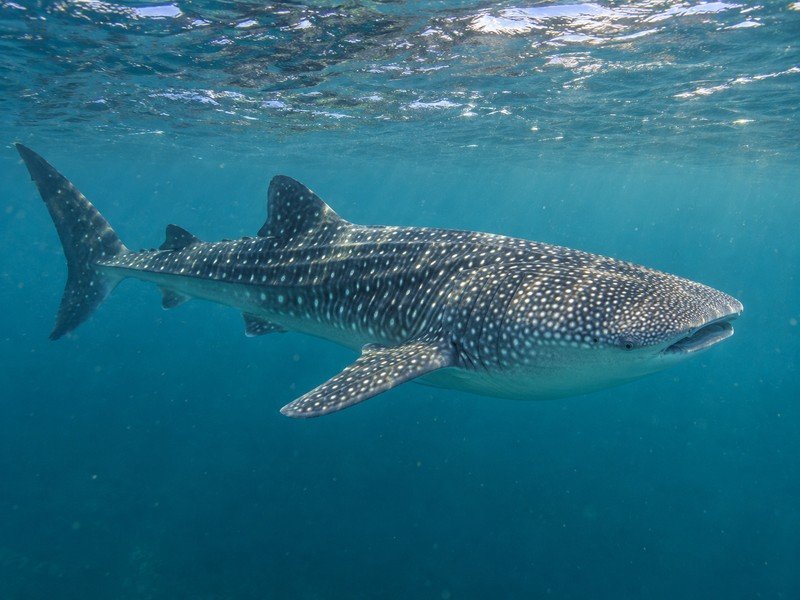
Our first choice would be space. A whale shark shouldn’t have to navigate a wall of swimmers just because everyone wants the same view, and we’d leave its direction of travel clear.
That includes the tail.
Following the guide’s positioning instructions is more useful than guessing a universal distance from something you read online. We’d want the local minimum explained before entering the water, with extra room whenever the animal changes direction.
We’d put that breathing room at the heart of your whale shark expedition conservation plans, even if it means watching from farther away.
We’d build that understanding into a marine life whale shark expedition, because noticing how an animal moves makes the encounter more interesting than simply getting close to it.
2. Let the encounter finish
If the whale shark swims away, we’d let it go. Chasing turns your attention toward keeping up, which makes it harder to notice the boat or other swimmers around you.
The same applies to touching or riding the animal. We’d never encourage either, and feeding a whale shark to keep it nearby isn’t a responsible activity for visitors.
Let it leave.
Encounters in Saleh Bay can involve areas around bagan fishing platforms, so we’d be wary of describing every interaction as untouched by human activity. For travelers interested in swimming with whale sharks conservation, understanding that local fishing context is part of making an informed decision.
3. Choose a format you can manage comfortably
We wouldn’t choose a trip solely by the longest advertised time in the water. A manageable outing with a clear briefing can suit you better than a packed schedule that leaves you exhausted before snorkeling begins.
For a shorter visit, we’d discuss the half day whale shark tour Saleh Bay around your actual pickup location, especially if you’re arriving from outside the departure area.
Travel time counts too.
Whale Shark Saleh Bay offers snorkeling gear and safety equipment, but we’d still discuss your swimming confidence before selecting a package. Having equipment available doesn’t tell us whether a particular sea condition suits your ability.
4. Keep the camera from setting the distance
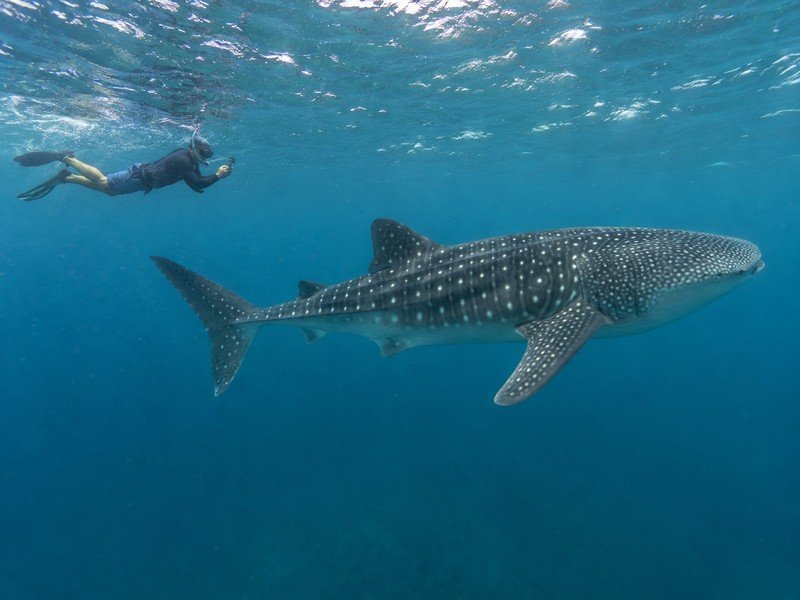
We understand the temptation to move closer when the whale shark slips beyond your camera’s frame. We’d resist it, because a photograph isn’t a good reason to crowd the animal or cross its path.
A wider view works.
Our preference for whale shark expedition photography is to let the guide help with positioning while you stay aware of the animal, with any camera instructions covered before the encounter.
GoPro documentation is available through the business, although we’d confirm what’s included in your chosen package. No photograph should depend on touching the whale shark or following it after the guide ends the interaction.
5. Be specific about where your money goes
Hiring a local guide can bring income into the community, and we think that’s a worthwhile part of traveling in Sumbawa. Still, local employment and a documented conservation donation are different claims.
Before choosing a whale shark expedition conservation package, we’d want to know exactly what the advertised conservation element involves.
Both deserve clarity.
If a package mentions conservation funding, we’d ask which organization receives it and how the contribution is recorded. We wouldn’t describe an ordinary tour payment as a research donation without that information.
Timing your Saleh Bay adventure
We’d leave some breathing room around a whale shark trip Sumbawa, particularly when your journey also involves a crossing from Lombok or Bali. A delayed connection feels much less stressful when it doesn’t threaten your only available morning.
Weather gets a vote.
Sumbawa’s drier months generally fall around April to October, which can be a useful starting point for planning. We’d still put the current marine forecast ahead of a seasonal label, because dry weather doesn’t guarantee calm water or a whale shark sighting.
The team can discuss multi-day options that combine the bay with Moyo Island or Gili Balu. We’d choose those additions around your available time, leaving room for adjustments when sea conditions change.
Does booking a tour guarantee a conservation benefit?
No. We’d only claim a direct conservation contribution when there’s a specific activity or funding arrangement that can be explained, while respectful behavior remains something every visitor can practice.
Can beginners join the snorkeling trip?
Possibly. We’d discuss your experience and comfort in open water before recommending a package, because enthusiasm alone doesn’t tell us how you’ll feel beside a boat in changing conditions.
Is scuba diving included?
Not automatically. If your search for diving in saleh bay conservation means scuba, we’d clarify that before booking, since a snorkeling package shouldn’t be assumed to include scuba equipment or supervision.
Are whale shark sightings certain?
No. We’d love every guest to see one, but wildlife movements and local operating conditions can change, so your booking conversation should include what happens if the planned outing is affected. We’d approach a whale shark expedition conservation trip with patience, including accepting that the animal may never appear.
Plan a visit you can feel comfortable about
We’d like your whale shark expedition conservation plans to begin with an honest conversation. Contact Whale Shark Saleh Bay through the official website with your preferred date and pickup location. We can discuss available packages and current sea conditions, then help shape an itinerary around your group. Book your adventure with enough room for the bay to have its own plans.